
Don’t see your vehicle?
We can help with any vehicle; just give us a call.
Mon–Sat: 8:00 AM – 6:00 PM | Sun: Closed | Tampa, FL
Florida weather puts extra pressure on your cooling system. From failed pumps to coolant leaks or a damaged radiator, if your vehicle is struggling with overheating, our expert team will find the problem and get you back on the road, fast.
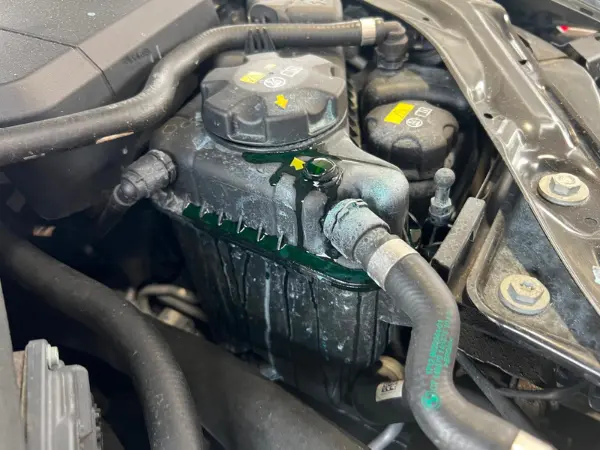
Your cooling system is essential for reliable driving; here are the common signs you have a problem.
If you see temperatures going up quickly while you are driving, or swinging up and down wildly, your cooling system may not be working as it should.
If a coolant level warning light or high temperature warning light is active, it's a direct signal that your cooling system has a problem and needs immediate attention.
If the engine has overheated or you see steam rising, stop the vehicle immediately, pull over safely, and don’t drive again until it has been inspected.
If your heater stops producing warm air, it could signal a coolant system problem.
If you hear your radiator fan running loudly at or near maximum speed, it’s a sign the vehicle is struggling to keep the engine cool, which is likely a coolant system issue.
If you notice a sweet smell under the hood or see white, crusty deposits near any hoses or the radiator, you may have a coolant leak.
Your engine provides the power to move your vehicle, but in addition to power, it also creates heat. The coolant system is a series of components, including a radiator, water pump, thermostat, hoses, and cooling fans, that is designed to keep that heat in check and prevent your engine from getting too hot.
It works by circulating coolant around the engine and through the radiator. The coolant absorbs heat from the engine as it passes through, and then in the radiator, that heat is removed by cool air, and the coolant then goes back through the engine, collecting more heat.
Any problems with the system, from a cracked hose to a pump failure, and your engine will begin to operate hotter than it should be. Even a minor increase can cause damage, so it is crucial to have a professional inspection to identify the issue as soon as possible.
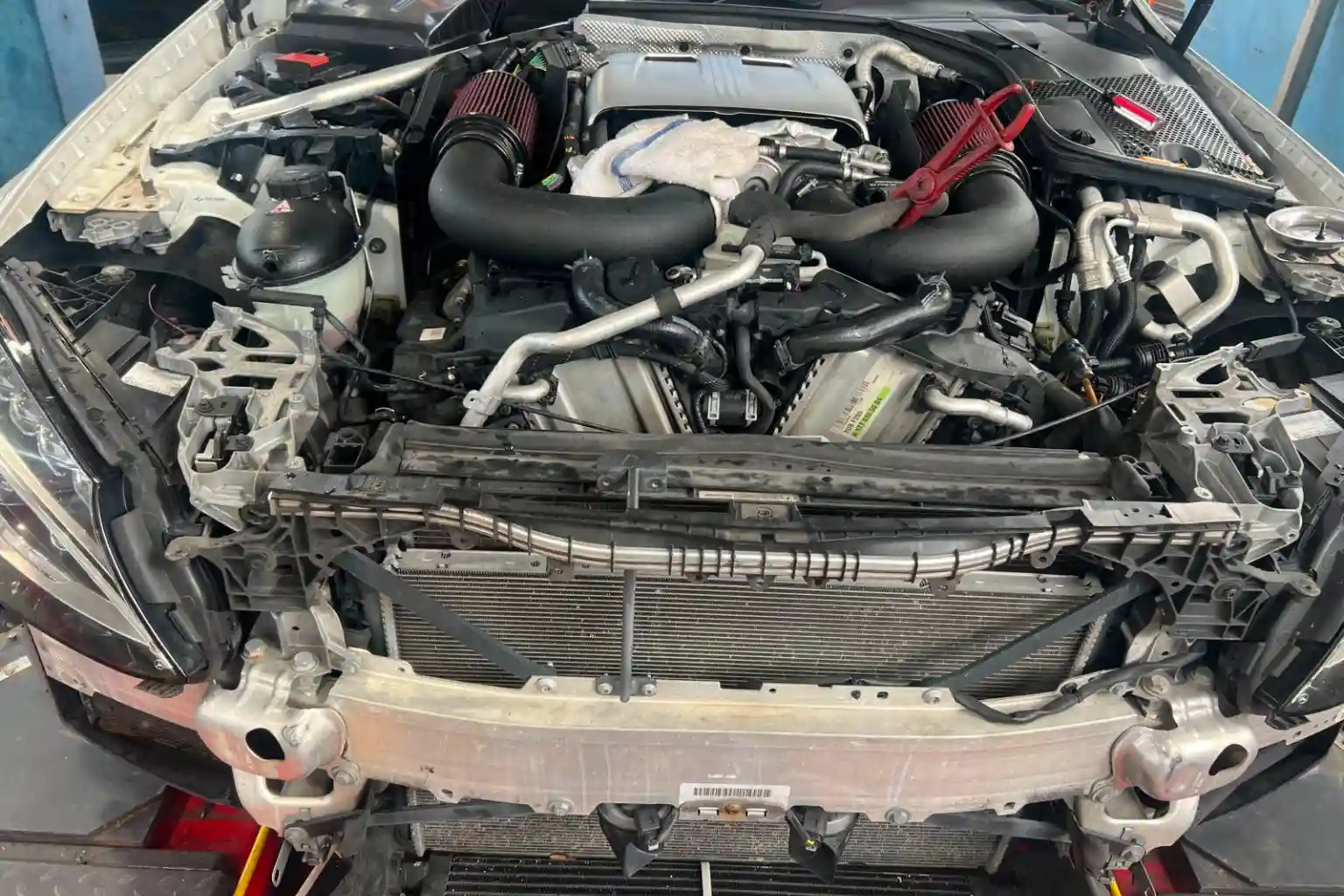
There are many issues that can cause cooling system problems. Here are the most common repairs we carry out.
A comprehensive inspection of the entire cooling system, including pressure testing to locate any leaks and other issues.
The water pump circulates coolant through the system, and the thermostat regulates the temperature it maintains. They are common failure points, and replacement solves the issue.
Hoses deteriorate over time, and when they become cracked or brittle, they can cause leaks and other issues. Expansion tank failures result in rapid coolant loss and engine overheating.
Radiators can be blocked or cracked, while the fan clutch controls fan operation. Replacement or repair is essential to maintain cooling system performance.
Coolant loses its ability to transfer heat well over time and needs replacing. A system flush removes all debris and contaminants from the system and replaces them with fresh coolant.
If a heater core fails or a blend valve degrades, you may experience no heat in the cabin, a coolant smell in the vehicle, or fogging on the windows. Replacement solves the problem.
If your cooling system develops a problem, it will rarely resolve itself. A slow leak may be a minor problem, but if left unchecked, it will eventually allow coolant levels to fall low enough that the system fails. An engine temperature warning light indicates a problem, and ignoring it can lead to complete engine failure and a very large bill. Here are some issues that cooling problems can cause:
If your engine is overheating, continuing to drive actively harms the head gasket and eventually leads to failure. Head gasket failure requires a complete engine rebuild, costing thousands of dollars.
Overheating can cause extreme heat buildup within the engine, resulting in the metal distorting. Warped cylinder heads or cylinder liners must be replaced.
Keeping an engine running while overheating can cause severe damage to the internals, including seized pistons, bearing scoring, and, ultimately, complete engine failure and a bill for thousands.
A small leak may cost a couple of hundred dollars to fix. Ignore it, and eventually that will result in an overheated engine due to a lack of coolant and a bill of $5,000 or more.
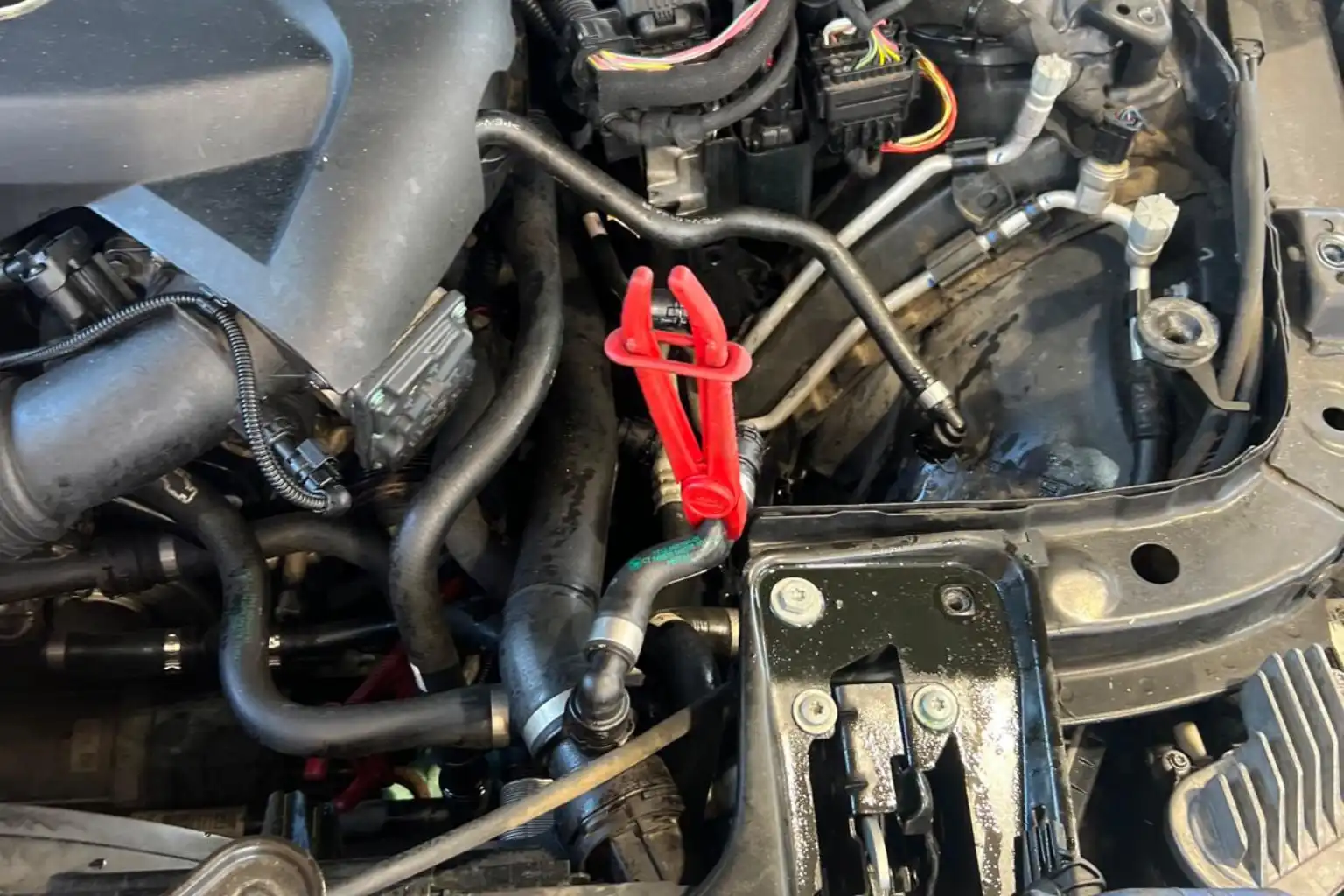
A simple, 4-step solution for your coolant service needs.
A full cooling system inspection, followed by pressurizing the system to reveal leaks or hidden failure points, allows our technician to identify issues quickly.
We replace any required components with OEM-equivalent items, so your system operates to factory specifications.
Vacuum filling ensures the precise amount of coolant is added to the system for optimal performance, using OEM-equivalent coolant for long-lasting performance.
Once everything is complete, we run the vehicle and monitor performance to ensure the coolant is circulating properly and the system is delivering the required cooling performance before returning the vehicle to you.
We are BMW and European manufacturer specialists, but also provide quality coolant system servicing for all makes and models of vehicles, foreign or domestic.






We can help with any vehicle; just give us a call.
We’ve been helping vehicle owners for over 3+ years. Our auto repairs are proven to get you back on the road fast.
We have specialized knowledge of cooling systems used in European and BMW vehicles, including coolant specifications and model-specific service requirements.
We begin with a cooling system inspection and pressure test of the coolant system to identify the real issues, not just the symptoms. One repair, complete solution.
No hidden fees or upselling. We tell you the problem and the fix, and leave you to decide.
We offer specialized cooling system inspection for BMW and other European models, and we cover all makes and vehicle types, domestic or foreign.
We use specific vehicle specific coolants designed for your vehicle to maintain factory performance.
We are your local team with BMW and European coolant system expertise, providing dealer-level service without the dealer-level pricing.
Don’t just take our word for it. Here’s what our customers say:
The most common questions we get about coolant systems, and the answers you need.
My car overheated – is it still safe to drive?
No. If you continue to drive while overheating, the heat buildup will worsen and cause internal damage to the engine. This can lead to repairs costing thousands of dollars. Get the vehicle inspected by professional cooling system specialists before driving it again.
Can I use tap water to top off my coolant?
In an emergency, tap water will work for a short period. That is because it contains minerals that promote corrosion in your engine and, in the long term, will lead to expensive problems. Use the recommended coolant for your vehicle instead.
What is the average cost of a cooling system repair in Florida?
This depends on the issue to be fixed. Replacing a hose is less expensive than a new radiator, for instance. We provide written estimates for any repair, so you know the exact cost before approving any work.
Can I add new coolant over old coolant, or do I need a flush?
Topping off with new coolant is OK if it's just a small amount. However, coolant degrades over time and becomes acidic, so a full flush should be carried out at regular intervals; your vehicle manual will show the frequency.
My coolant level keeps dropping – is that normal?
No. A fully functioning coolant system is a sealed environment and will not lose coolant. If the level is dropping, there is a leak somewhere, even if there are no visible signs. It could even be a head gasket leak; a pressure test will find out where the problem is.
How long does a cooling system repair typically take?
Some smaller repairs, such as a hose or thermostat replacement, can be managed the same day. A water pump replacement may take longer. We always provide time estimates for our work before you agree to it.
Is it safe to drive with a coolant leak?
You should always get a coolant leak repaired as soon as possible. However, a slow leak may be OK on short trips, but it tends to worsen quickly, resulting in overheating and expensive repairs. So don’t rely on it.
Why does my car need a vacuum bleed after a cooling repair?
Air pockets trapped in the cooling system can cause engine hot spots, inaccurate temperature readings, and heater problems. Vacuum bleeding removes those pockets of air, eliminating the problem.
If you need help with your cooling system now, or have any questions about your vehicle or our service, just get in touch with our friendly team today.


