
Don’t see your vehicle?
We can help with any vehicle; just give us a call.
Mon–Sat: 8:00 AM – 6:00 PM | Sun: Closed | Tampa, FL
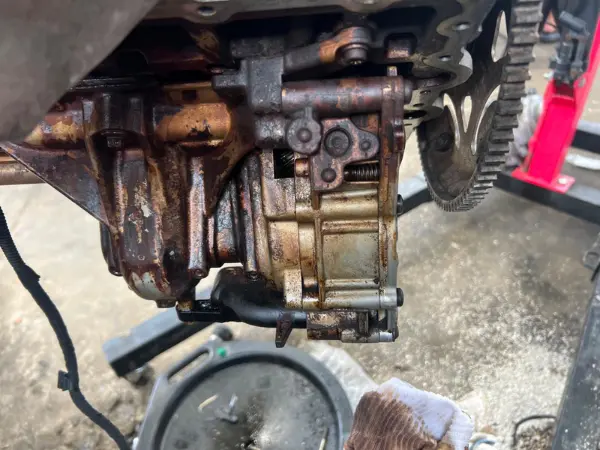
Riding your transmission until it fails is always more expensive than an early fix. Here are the early signs you should look out for:
If shifts are not smooth but delayed, abrupt, or otherwise unpleasant, especially when accelerating, there is an issue. It could be a worn clutch, low fluid levels, or a valve body fault.
Transmission slipping means loss of power, wasted fuel, and extra wear. It could be a clutch pack going, or a torque converter failing.
A noticeable problem or warning lights indicating a fault code are your alert that the system needs a computer diagnostic to determine the issue.
Transmission fluid is usually bright red when new, and dark brown when it's been in your gearbox for a while. If you see a puddle of either color under your car, it’s a sign of a gasket or other issue.
A burning smell or temperature warning from your transmission means that the fluid needs replacing, or there is a more serious problem leading to overheating.
If you hear unusual noises from your transmission, it could indicate gear wear or other serious issues. Never ignore them; the time for a repair is before the transmission breaks completely.
Modern European vehicles, including BMWs, use transmissions built around electronically controlled hydraulic systems. This includes the common ZF 8-speed, ZF 6-speed, and various dual-clutch transmissions available today. These systems all feature a similar layout, with a transmission control unit (TCS) that reads current throttle position, wheel speed, engine load, and other data to determine the optimal timing for shifts and clutch engagement.
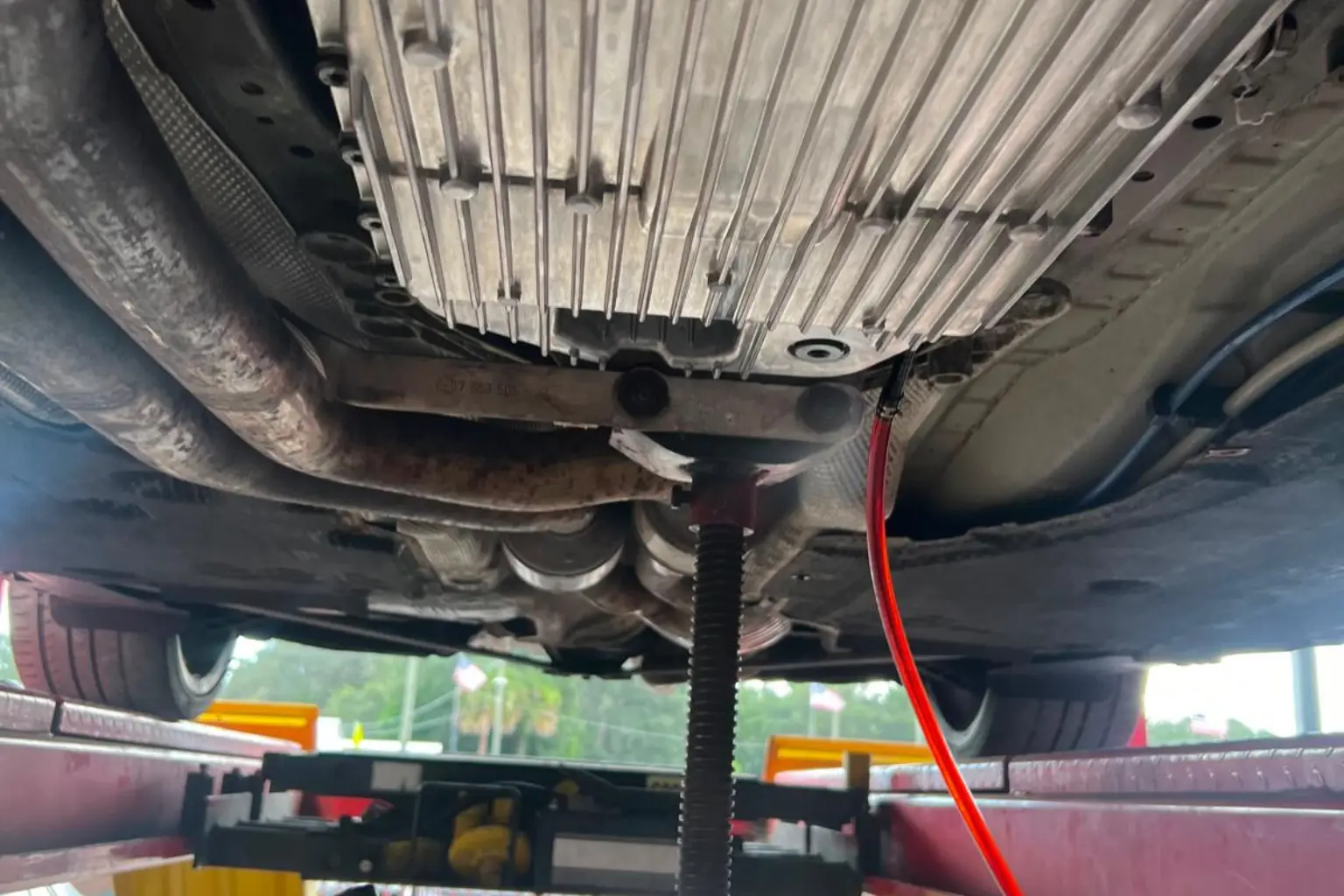
From routine fluid changes to complete rebuilds, your transmission repair begins with a professional diagnosis, so we always fix the real problem.
Our system reads all fault codes and provides analysis of real-time data to identify any issues such as solenoid voltages, clutch pressure, and temperature readings.
This unit is responsible for fluid control in modern BMW and European transmissions. We repair faulty solenoids after diagnosis.
Complete transmission fluid change, using OEM-specification fluid for optimal performance. We also replace the integrated filter pan where fitted, as per factory service recommendations.
Dual-clutch transmissions require very specific fluids, calibration, and service processes. We cover BMW M-Dot, VW/Audi DSG, and Porsche PDK systems.
Output shaft seals can wear over time and are a leading cause of fluid leaks in transmissions. Prompt seal replacement reduces wear, preventing more expensive failures later on.
Internal failures mean significant repairs. That can be a complete rebuild or a replacement with a remanufactured unit. We follow OEM specifications for every aspect of the transmission in these processes.
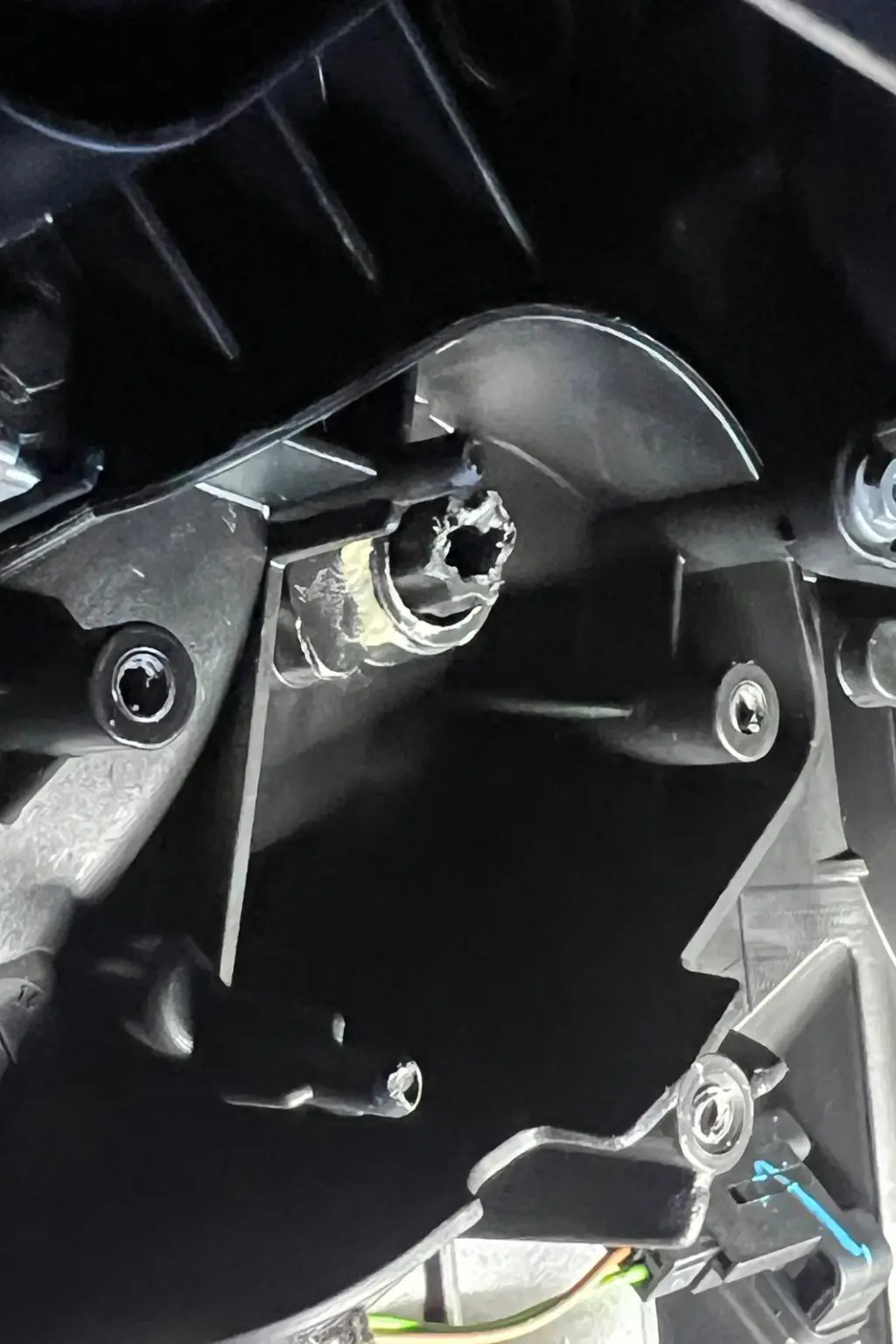
Transmission problems don’t normally solve themselves. If you hear a noise or feel a minor issue, it can quickly develop into a big problem and an expensive bill. Here are things to look out for that can help avoid expensive repairs.
Low fluid levels cause the clutch pack to wear over time, eventually leading to failure and requiring replacement rather than a simple fluid refill.
Metallic debris from worn components can impact solenoids and restrict fluid passage, resulting in shift failures and rebuilds.
A slipping or overheating transmission that is simply left will eventually fail, requiring an expensive rebuild or replacement.
A few hundred dollars spent on a fluid swap and service can prevent wear that would otherwise leave you with a bill of thousands of dollars for a rebuild or replacement. Never leave a problem for later.
A simple, 4-step process that keeps you informed and in control.
Understanding the problem is key to finding a solution. We collect live and historical data from the unit, followed by a road test to fully diagnose your transmission.
We drop the transmission pan to inspect fluid condition and check for debris with a magnet. The integrated pan and seals are replaced as part of the standard service procedure.
We carry out approved repairs as required from the diagnosis, all with detailed pricing provided up front. This could be a targeted rebuild or component replacement, fluid refills, or whatever is needed.
We refill fluids to the correct levels with the transmission at operating temperature, using our live data connection. Shift adaptation values are reset so the TDU can relearn shift behavior.
With the latest in diagnostic tools, OEM-spec fluids for performance, and clear, up-front pricing, we are the team you can trust with problems large and small.
Servicing all transmission types, with expert knowledge of ZF 6HP, ZF 8HP, M-DCT, VW/Audi DSG, Porsche PDK, and Mercedes-Benz 7G-Tronic transmission systems.
Our OEM-compatible scan tools read transmission fault codes and live shift data accurately, using the same tools and performance as dealer servicing.
We find the exact fault before recommending the fix. No guesswork, just a real solution to your exact problem.
Each transmission is different. We only use appropriate, OEM-spec fluids to suit each transmission for long-term performance and reliability.
No hidden fees or upselling. We tell you the problem and the fix, and leave you to decide.
We are your local team with BMW and European coolant system expertise, providing dealer-level service without the dealer-level pricing.
We are BMW and European manufacturer specialists, but offer quality service on all makes and models of vehicles, foreign or domestic.












We can help with any vehicle; just give us a call.
Don’t just take our word for it. Here’s what our customers say:
Answers to the most common transmission repair questions we get asked.
Is BMW or European transmission fluid truly a lifetime fluid?
Yes, but ‘lifetime fill’ doesn’t mean it will never need a refill. The fluid is designed to last the life of the transmission, under ideal conditions. In fact, most European manufacturers now recommend filter-pan and fluid replacement intervals for vehicles. Fluid loses its viscosity over time and can cause wear, so replacement is always recommended.
What does a "Transmission Malfunction" or "Safe Mode" message mean?
Either of these messages shows that the TCU has detected an active fault and has limited your transmission operation to minimize potential damage. In safe mode, this usually means you can only access specific gears and is a sign that you need a professional inspection immediately. Further driving risks more damage.
Can a software adaptation reset fix harsh shifting issues?
Sometimes, yes. The transmission control unit (TCU) learns from the driver over time, adapting shift characteristics to suit their style. A reset is great for helping the TCU relearn the correct shift points after fluid changes or mechanical repairs, thereby remedying harsh shifting.
What is the average cost of transmission repair in Florida?
The cost of your transmission repair will vary considerably depending on the problem. A fluid change costs a lot less than a full transmission rebuild, for example. We provide a written estimate for any work we propose before we start, so you know the costs in advance and have complete control over the process.
How often should transmission fluid and filter pans be serviced?
This varies by vehicle make, model, and transmission. ZF transmissions commonly found in various BMW models require service every 80,000 miles, while DSG and DCT transmissions require service every 40,000 miles. We always follow factory recommendations for service intervals.
What is the difference between a fluid drain and a complete flush?
A drain-and-fill only replaces the fluid in the pan, which is usually between 30 and 50% of the transmission's total fluid. A complete flush uses a dedicated machine to pump out all fluids from the transmission and replace it with fresh fluid.
Is it safe to drive my car when the transmission begins slipping?
No. If your transmission is slipping, it shows that the clutch packs are not fully engaging, which generates destructive heat and causes premature wear on the internals. We recommend booking in for an inspection as soon as possible if you notice any slipping.
How long does a typical European transmission service or repair take?
A fluid service with filter-pan replacement takes between 2 and 4 hours, depending on the vehicle's make and model. Valve body repair can take a full day, while a complete transmission rebuild can take a week. We provide a time estimate for any work before you agree to it.
If you need help with your transmission or have any questions about our transmission services in TFlorida, just talk to our friendly team today.


