
Don’t see your vehicle?
We can help with any vehicle; just give us a call.
Mon–Sat: 8:00 AM – 6:00 PM | Sun: Closed | Tampa, FL

These are the most common signs that your tires have an issue and need repair or replacement.
If the TPMS light keeps coming back on after you reinflate your tires, it suggests either a slow leak or a faulty sensor. You should get it looked at rather than ignore it, especially on a high-performance vehicle.
European alloy wheels can develop bead-seating corrosion, causing pressure loss over time. That can often be mistaken for a slow puncture, but a fix is required either way.
Any damage to a tire's sidewall is not repairable. If you see bubbles, bulges, or cracks, the tire’s structure is failing, and it should be replaced immediately.
The minimum legal tread depth is 2/32”. The wear bars indicate your tires are at that minimum and should be replaced. For performance tires, we recommend replacement well before they reach that level of wear.
If you get vibrations at highway speeds, it suggests an issue with balancing or a damaged tire or wheel, and it should be inspected as soon as possible to identify and remedy the problem.
Uneven wear on the inner or outer edge usually signifies alignment issues, but can also be due to suspension geometry problems.
Many European manufacturers, including BMW, Audi, Porsche, Mercedes-Benz, and Volkswagen, design their vehicles around a specific tire. They use the load index, speed rating, noise profile, and more as part of the process of achieving the performance targets they set for a new model. The result is that fitting the wrong tires can compromise both the vehicle's performance and safety.
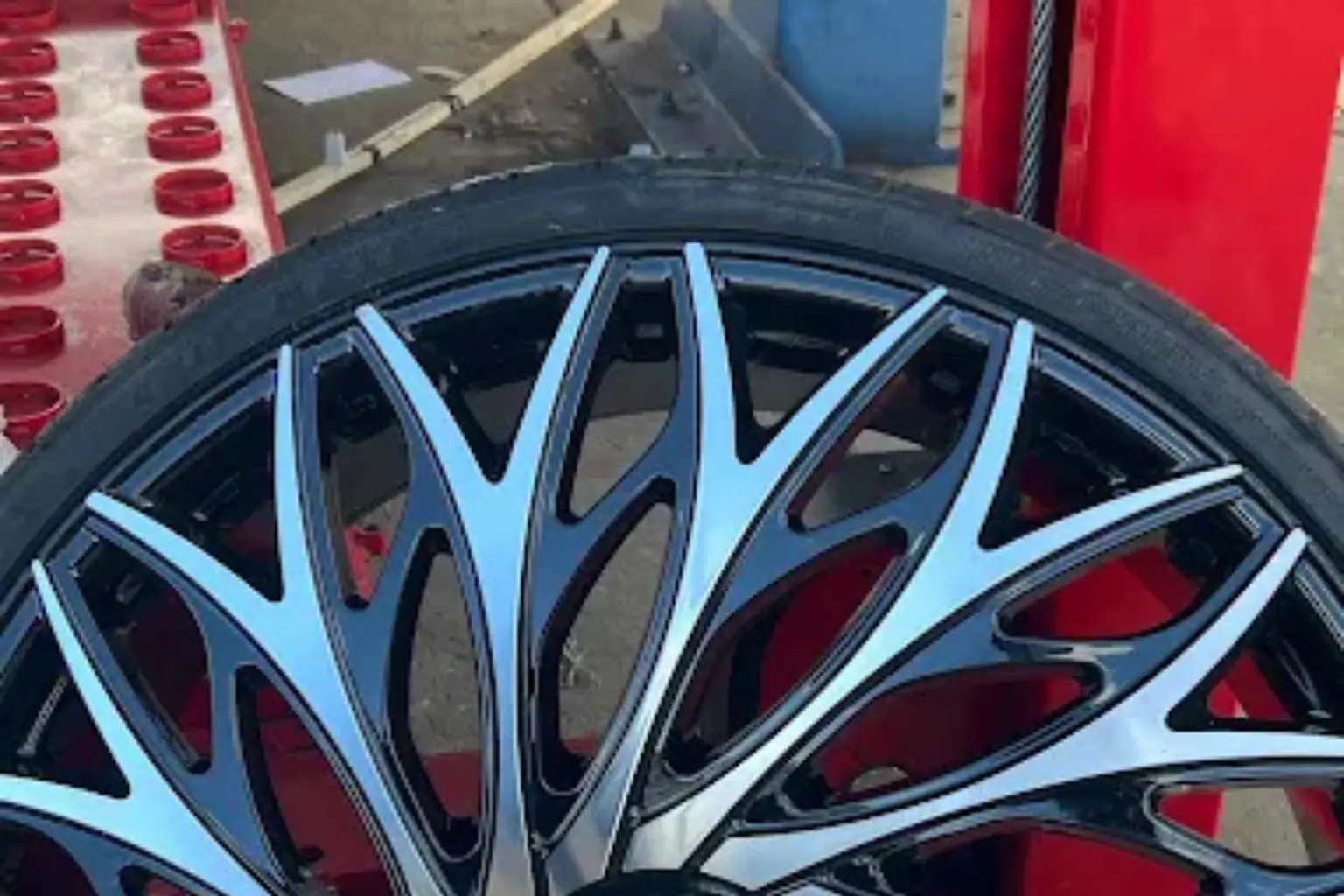
From a puncture repair to fitting a complete set of new performance tires, we cover everything you need from a trusted tire service.
We use industry-standard two-piece radial patch plugs to repair punctures within the repairable zone. We evaluate run-flat tires on a case-by-case basis to ensure safety.
We offer OEM-approved fitments for BMW, Audi, Volkswagen, Porsche, Mercedes-Benz, and other European manufacturers, providing the correct load index, speed rating, and run-flat designation.
Road force balancing detects internal tire irregularities that traditional spin balancers cannot. This is an essential part of preventing high-speed vibrations.
Our dedicated touchless machines are designed to fit run-flat tires correctly, where traditional machines can damage beads.
Direct TPMS sensors must be programmed in-situ when replaced. We can program new sensors and diagnose faults to remove TPMS warning lights.
Regular rotation helps with wear and increases the longevity of your tires. We also offer seasonal changeovers for those who run separate summer and winter tires.
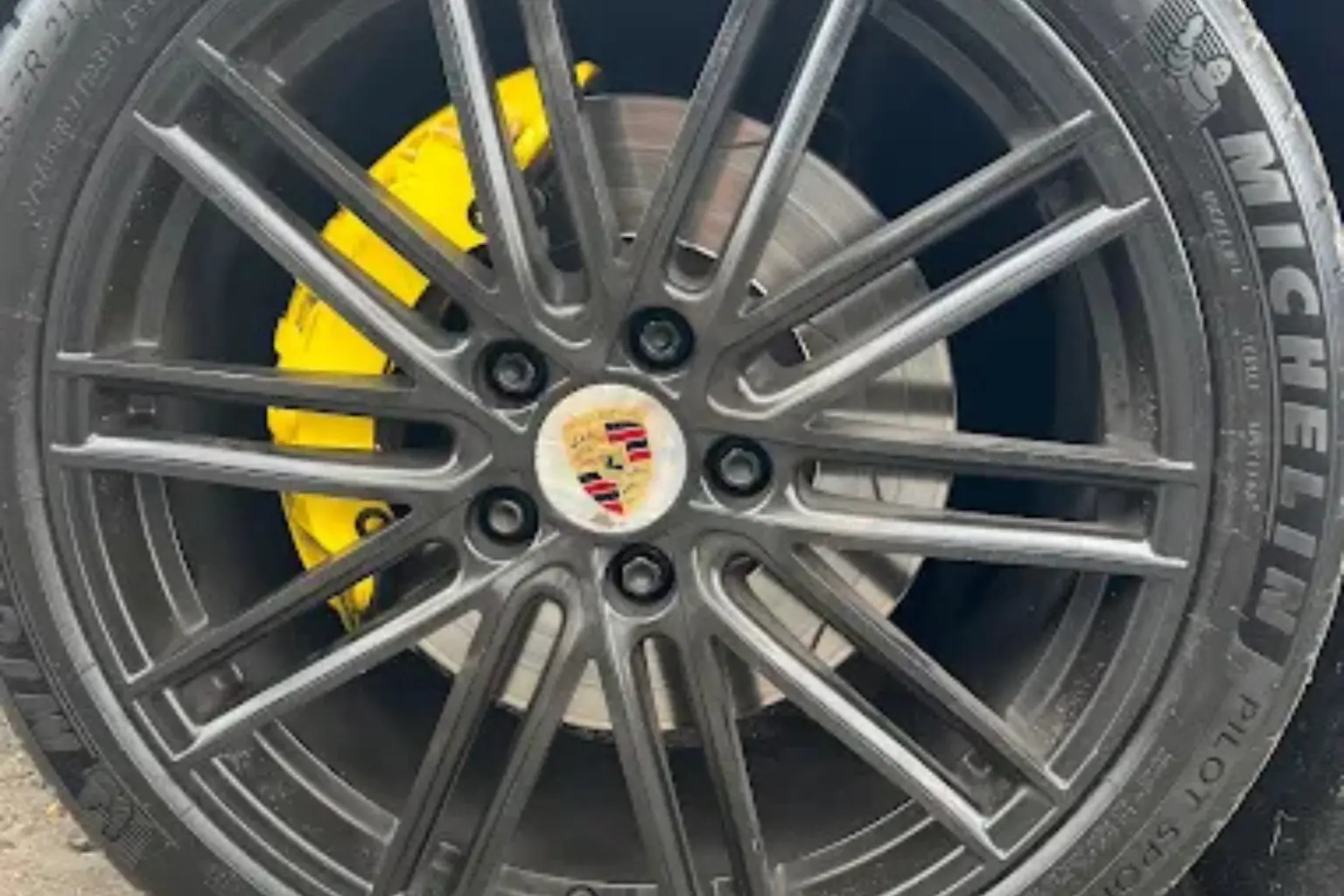
The only things that contact the road and keep you on it are your tires. From cornering ability to safe braking, they impact everything your car does. It makes sense, then, to keep them in good condition. Here’s how poor maintenance can have an impact.
If your tires are worn or mismatched, the stopping distances required on wet roads can increase dramatically, and that can be the difference between stopping safely and having an accident.
Tires form part of the suspension and steering systems, as they are the final point of contact with the road. Worn treads, improper fitment, balance issues, or incorrect tires can all harm handling.
Tires that are out of balance or improperly inflated can increase wear on wheel bearings, suspension bushings, and CV joints.
Underinflated tires have greater rolling resistance, which means more fuel is used to keep them moving. They wear out faster, too, adding to the extra cost.
Our 4-step process keeps your tires in perfect condition.
We verify that any puncture is within the repairable zone and inspect the sidewalls for internal structural damage before proceeding with any repair.
By using a plastic arm instead of a metal bead breaker, our touchless tire machine protects the finish of your BMW and European alloy wheels during fitment.
By simulating the tire under load, road-force balancing can better detect internal irregularities in the tire. The result is better balancing that eliminates high-speed vibrations.
We reinstall your wheels with a torque wrench set to the manufacturer's precise specification for your vehicle. We reset the TPMS sensor and confirm correct pressure readings.
The right equipment, the right fitments, and a transparent service approach — what your European vehicle deserves.
We stock OEM-approved tires for fitment to BMW, Porsche, Audi, Volkswagen, Mercedes-Benz, and other European cars.
By simulating the tire under load, road-force balancing can better detect internal irregularities in the tire. The result is better balancing that eliminates high-speed vibrations.
We use touchless machines specifically designed for low-profile and run-flat tires. This avoids damage and ensures correct fitment every time.
We program TPMS sensors to restore sensor monitoring functionality in BMW and European vehicles of all kinds. No more permanent pressure warning light.
Honest estimates with no hidden fees. We explain exactly what your vehicle needs.
We are your local team with BMW and European tire service expertise, providing dealer-level service without the dealer-level pricing.
We are BMW and European manufacturer specialists, but also provide quality coolant system servicing for all makes and models of vehicles, foreign or domestic.












We can help with any vehicle; just give us a call.
Don’t just take our word for it. Here’s what our customers say:
The most common questions about tire services we get, and the answers you need.
Can a punctured run-flat tire be safely patched and repaired?
Sometimes. It depends on where the puncture is and if the tire was driven on while flat. A tire with no internal damage and a suitable puncture can be repaired. We inspect each tire individually and only proceed with a repair if it would be safe.
Why do my European tires wear out faster on the inside edge?
This is usually the result of negative camber wear, caused by worn or misadjusted suspension components, or an alignment issue. In some cases, it is the vehicle’s intended geometry. We can inspect your suspension to identify any issues,along withth tire fitment.
How often should I replace or rotate my tires?
We recommend rotating tires every 5,000 to 7,000 miles for optimal performance. Replacement varies slightly, depending on tread depth, tire age, and overall condition. Tires should usually be replaced before they are 8 years old, regardless of tread depth. European performance tires use softer compounds that may wear faster than you're used to.
What causes a sudden tire sidewall bubble after hitting a pothole?
This is due to internal damage from the impact, usually a break in the inner liner or the tire's internal cords. The bubble indicates the tire is structurally compromised and should be replaced immediately. Sidewall damage should never be repaired.
How do I know if a tire puncture is repairable or needs replacement?
It's all about the location. If a puncture is in the central tread area and less than a ¼ inch (6mm) in diameter, then it is generally considered safe to repair. If it's near the shoulder or there is any damage to the sidewall, it cannot be repaired safely; a replacement is needed instead. We’ll let you know after inspection if you are unsure.
What is the difference between standard balancing and road-force balancing?
Standard balancing measures static and dynamic balancing when the wheel is stationary and spinning. Road-force balancing also simulates the vehicle's weight on the tire, helping detect internal irregularities and enabling much more precise balancing that eliminates high-speed vibrations.
Do I have to replace all four tires on an all-wheel-drive vehicle?
We strongly recommend replacing all four tires at once on any four-wheel-drive vehicle. Mismatched tires can result in additional wear on the center differential and transfer case due to their different radii, leading to expensive repairs.
How long does a flat tire repair or full replacement set take?
We can repair a single puncture in less than an hour, often in about 30 minutes. A single tire replacement can take between three-quarters of an hour and an hour, depending on the tire type. A full set of four tires will take between one and a half and two and a half hours.
If you need a tire repair or replacement right now, or have any questions about your tires and our service, talk to our friendly team today.


